Choosing the Right Running Shoes
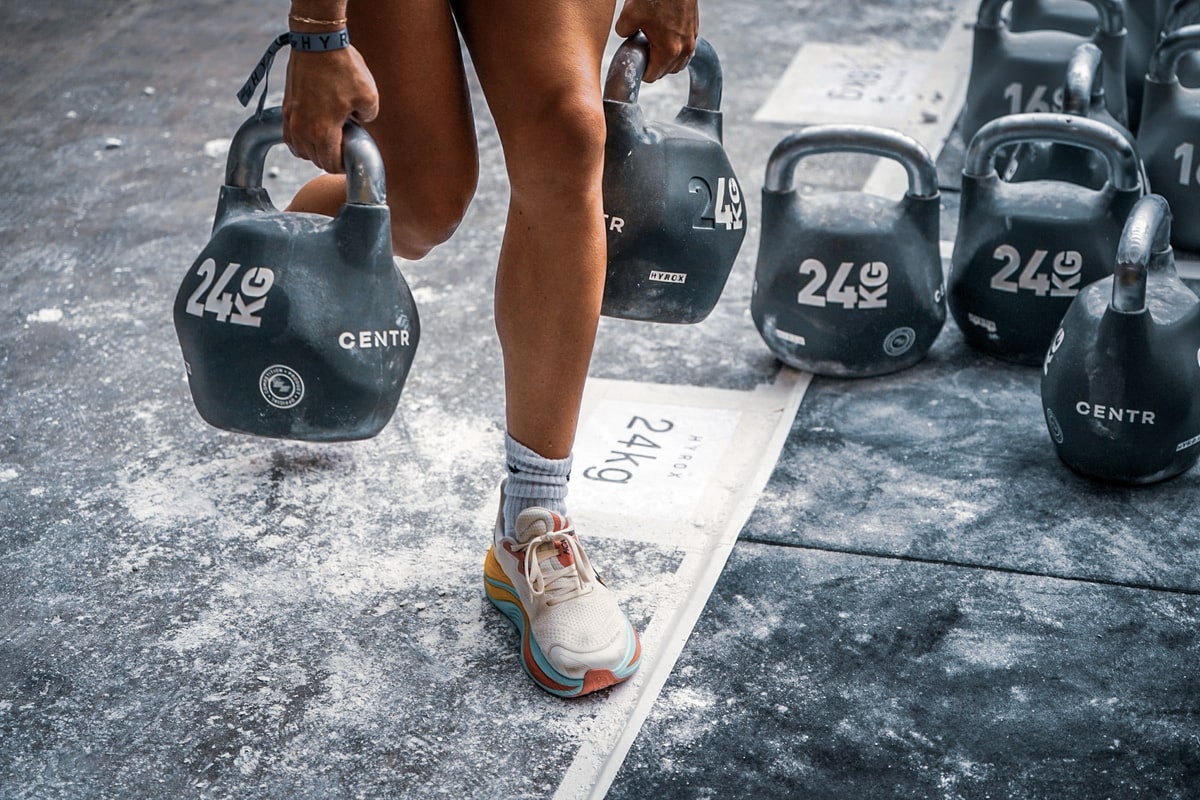
Running shoes play a very important role in performance, injury prevention, and comfort. Choosing the right pair depends on your running goals, gait, and personal preferences.
Types of Running Shoes
Neutral Shoes
Designed for runners with a neutral gait. Provide cushioning and flexibility without extra support. Ideal for those with normal arches or no significant pronation.
Stability Shoes
Provide moderate support to control over-pronation (when the foot rolls inward excessively). Often include medial posts or firmer midsoles for arch support.
Motion-Control Shoes
Offer maximum support for severe over-pronation. Heavier and more structured for extra stability.
Minimalist or Barefoot Shoes
Mimic natural foot movement with little to no cushioning or support. Promote foot strength but require a gradual adaptation period.
Trail Running Shoes
Built for off-road terrain with enhanced grip, durability, and protection. Include features like rock plates and water-resistant uppers.
Carbon-Plated Shoes
Designed for speed and competition, these feature lightweight materials and a carbon plate for propulsion. Often less durable and suited for race days.
Key Factors to Consider
Foot Type and Arch
Flat Feet: May need stability or motion-control shoes for added support.
Normal Arches: Neutral shoes typically work best.
High Arches: Look for shoes with extra cushioning to absorb impact.
Gait Analysis
Pronation: Determines how your foot rolls during running.
Visit a running store or use a treadmill for gait analysis to identify whether you're a neutral runner, overpronator, or underpronator.
Terrain
Road Running: Opt for lightweight shoes with good shock absorption.
Trail Running: Look for shoes with aggressive treads and stability features.
Hybrid Runs: Choose shoes that balance grip for light trails and cushioning for pavement.
Fit
Ensure a snug fit around the heel and midfoot but enough space in the toe box.
Leave about a thumb's width (0.5–1 cm) of space between your longest toe and the shoe's front.
Try shoes on at the end of the day or after a run, as feet tend to swell.
Cushioning and Drop
Cushioning: Depends on your preference for softness versus responsiveness.
Heel-to-Toe Drop: The difference in height between the heel and forefoot:
High Drop (8–12 mm): Good for heel strikers.
Low Drop (0–4 mm): Promotes forefoot or midfoot striking.
Durability
Most running shoes last 300–500 miles (480–800 km). Look for signs of wear like uneven tread or decreased cushioning.
Tips for Selecting Running Shoes
Try Before You Buy
Test the shoes by jogging around the store or on a treadmill.
Wear running socks
Prioritize fit, comfort, and functionality over aesthetics.
Lighter shoes can enhance speed but may lack durability or cushioning.
Introduce new shoes into your routine to avoid discomfort or blisters.
Rotation Strategy
Use different shoes for different runs such as, long runs, speed work, or trails.
Maintenance and Replacement
Check for Wear: Look for flattened midsoles, worn tread, or discomfort during runs.
Rotate Shoes: Prolongs shoe life by alternating pairs.
Proper Storage: Keep shoes in a cool, dry place away from direct sunlight.
Cleaning: Hand wash with mild soap and air dry.
Common Running Shoe Myths
Expensive Shoes = Better Shoes: Price doesn't guarantee the best fit. Choose based on your specific needs.
Minimalist Shoes Prevent Injuries: Transitioning too quickly to minimalist shoes can increase injury risk.
All Running Shoes Are the Same: Different shoes serve specific purposes like road running verses trail.
Specialized Considerations for HYROX Athletes
Choose versatile shoes that handle both running and strength-based movements.
Look for durability to withstand wear from sled pushes, lunges, and wall balls.
Opt for moderate cushioning to balance comfort and ground feel.
Investing in the right running shoes to fit to your gait, course, and running style is an important factor for performance and minimizing injury risk.