How to Identify Your Weakness in HYROX and Test Your Performance
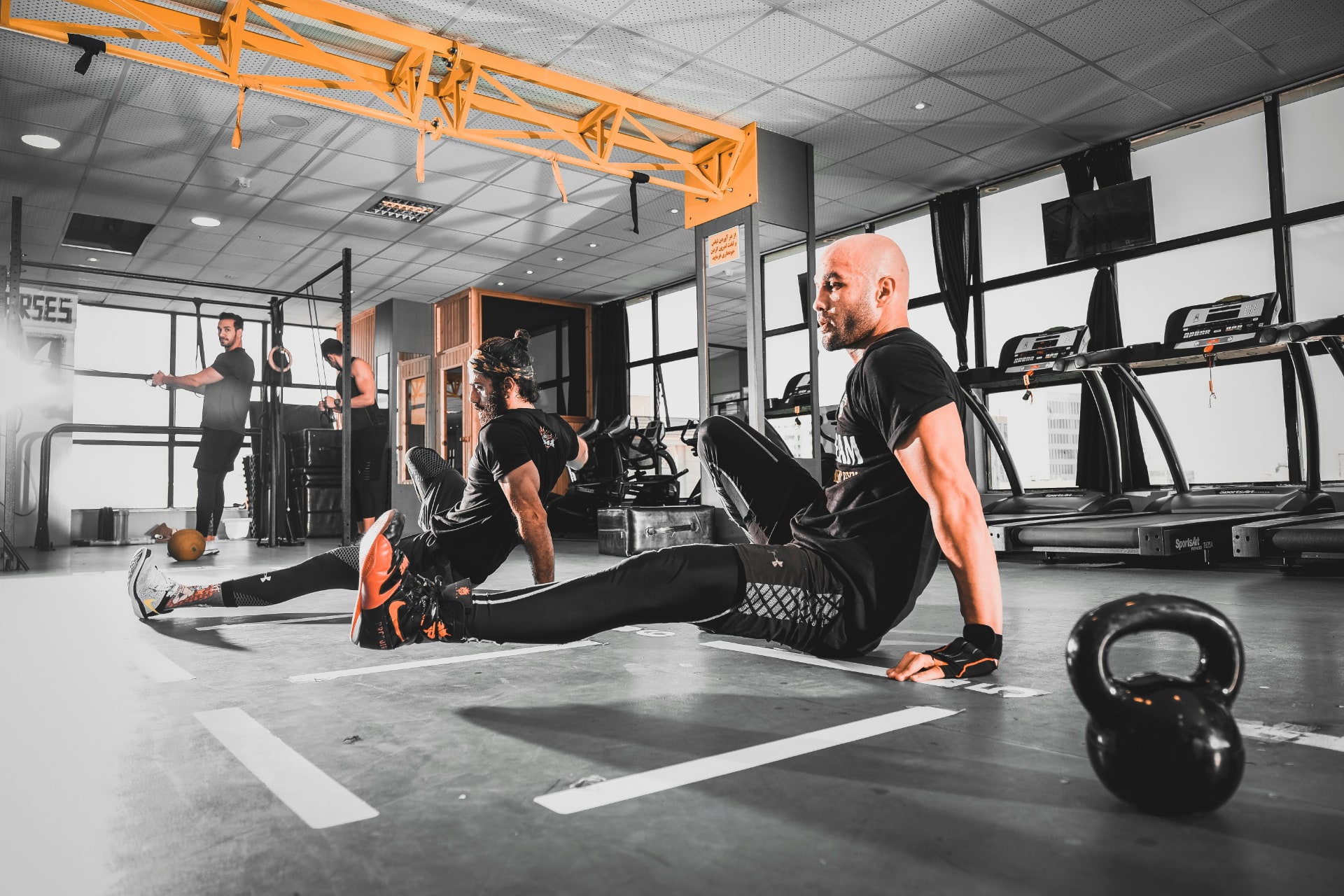
HYROX athletes need to have a combination of strength, power, endurance, grip strength, and mental toughness. As a hybrid athlete, whether you're an elite competitor or a beginner it's an important point to understand your weakness and make a smart training plan so that you can make improvements.
If you've ever found yourself struggling during a HYROX race — maybe your legs burned out on Burpee Board Jump (BBJ), your grip failed during the farmer's carry, or your running slowed down after Sandbag lunges — then it's time to analyze what's holding you back. Is it your endurance, strength, or maybe not paying close enough attention to mobility and pacing? Realizing where your weaknesses are allows you to train smarter, with a better race strategy and improved overall performance. By the way, don't worry, everyone has some strengths and weaknesses in at least one of the stations in HYROX, this is why training to compete requires all training types and a combination of all energy system as well.
HYROX is different from other endurance or functional fitness competitions because it requires repeated efforts across multiple domains. The event includes 8x 1km runs combined with functional fitness movements, meaning you must be able to transition effectively between endurance, strength, and power-based movements. Maybe you have a running background, if you do not ever run under fatigue then you may have difficulties when it comes to competition time.
You need to pay attention four main areas of performance:
Running Efficiency: A little more than 50% of the race is running, so an inefficient pace or compromised running ability will slow you down significantly.
Strength and Power: The sled push, sled pull, and sandbag lunges require lower body strength, posterior chain endurance, and explosive power.
Grip and Upper Body Strength: The farmer's carry, row, and SkiErg all place stress on your forearm and grip endurance. If your grip fails early, you'll struggle to complete these stations.
Endurance and Recovery: Wall balls, BBJ and running all test your ability to recover between efforts and sustain high-intensity work over a long period. If your cardiovascular system is not efficient, you will struggle to maintain performance throughout the race.
How to Identify Your Weaknesses in HYROX
The first step in fixing your weaknesses is identifying where your biggest performance gaps are. If you've completed a HYROX race before, review your split times and station performance to see where you lost the most time. If you haven't competed yet, simulate the event in training and assess which stations cause the biggest slowdowns.
Signs of Performance Weakness
If your running pace drops significantly after sled pushes or burpees, you likely need to improve compromised running ability — your ability to sustain speed after high-intensity efforts.
If the sled push feels nearly impossible or extremely slow, your posterior chain (glutes, hamstrings, quads) and pushing strength need work.
If your grip fatigues early on the farmer's carry or sled pull, you may lack forearm endurance and upper body pulling strength.
If wall balls feel excessively hard and you need frequent breaks, your leg endurance, mobility and breathing control may be limiting your efficiency.
If burpee's feel slow and you get a burning feeling, you might lack explosive power and anaerobic conditioning.
Testing Your Performance
Once you have an idea of your weak areas, the next step is to quantify them with specific performance tests.
Running Efficiency Testing
1km Time Trial (Rested vs. Fatigued):
- Run one 1km sprint rested, record your time.
- Run another 1km after a sled push, BBJ or any other modalities.
- If the second 1km is 15-20% slower, compromised running is a weakness.
Compromised Running Intervals:
- Perform 8 x 400m at race effort with 60s rest between reps.
- If your pace drops significantly, running endurance needs work. It should be first one and last one no more than a five second difference.
Strength and Power Testing
Sled Push Load Test:
- Test your max 50m sled push at race weight and compare against past efforts.
- If you struggle, posterior chain and pushing power need improvement.
Sled Pull Test:
- Time yourself completing a 50m sled pull with rope.
- If time is slow, grip endurance or pulling strength is a limiting factor.
Sandbag Lunge Capacity Test:
- Complete 100m of walking lunges for time.
- If time is slow or posture breaks down, leg endurance needs attention.
Grip Strength and Endurance Testing
Max Farmers Carry Hold:
- Hold heavier KB per hand for time.
- You should be able to hold 45 seconds.
Dead Hang Test:
- Hang from a pull-up bar and time how long you can hold.
- You should able to hold for at least 60 seconds if not, need to pay attention grip endurance
Rowing and SkiErg Grip Fatigue Test:
- Perform 1-minute max effort on the Rower or SkiErg. Pay attention your grip and forearm strength.
Endurance and Recovery Testing
Wall Ball Efficiency Test:
- Perform as many unbroken wall balls as possible at race weight.
- If you struggle to get past 30 reps, leg endurance and breathing control need focus.
Burpee Broad Jump:
- Perform as many broad jump burpees as possible in 60 seconds.
- If unable to maintain a steady pace, probably anaerobic capacity is lacking.
Heart Rate Recovery Test:
- After an intense sled push or wall ball set, track how quickly your heart rate drops.
- If HR stays above 80% max for more than 2 minutes, aerobic recovery needs improvement.
How to Improve
Improving Running Under Fatigue
Interval Workouts:
- 6 x 800m @ 90% effort, 75s rest
- 4 x 1km @ race pace with 90s rest
Compromised Running Drills:
- Perform 400m sprint after sleds, burpees, or wall balls to simulate fatigue.
Increasing Strength and Power
- Ideally, train sled pushes/pulls weekly with progressive overload. If not possible, you can still get stronger using same muscle groups such as rack pull's, deadlifts, step-up's, and bend-over-row.
Grip Strength
Farmers Carry Progression
- Progressive overload training which is increase weight, time or distance. Practice dead hang and /or static hold. Also you can do towel pull-up's too.
Tracking your progress, identifying weak points, and not forgetting to train stronger parts can help to improve performance and decreases change of injury as well.
Train smart with a plan, systematically test and address weak points, and you'll level up your HYROX performance and race efficiency! Even if you're not a competitor you will improve your overall fitness level too.
If you need FREE training plans or Personalized Elite Coaching check my programs and download the FREE HYROX Warrior App!