How to prevent Heat Stress?
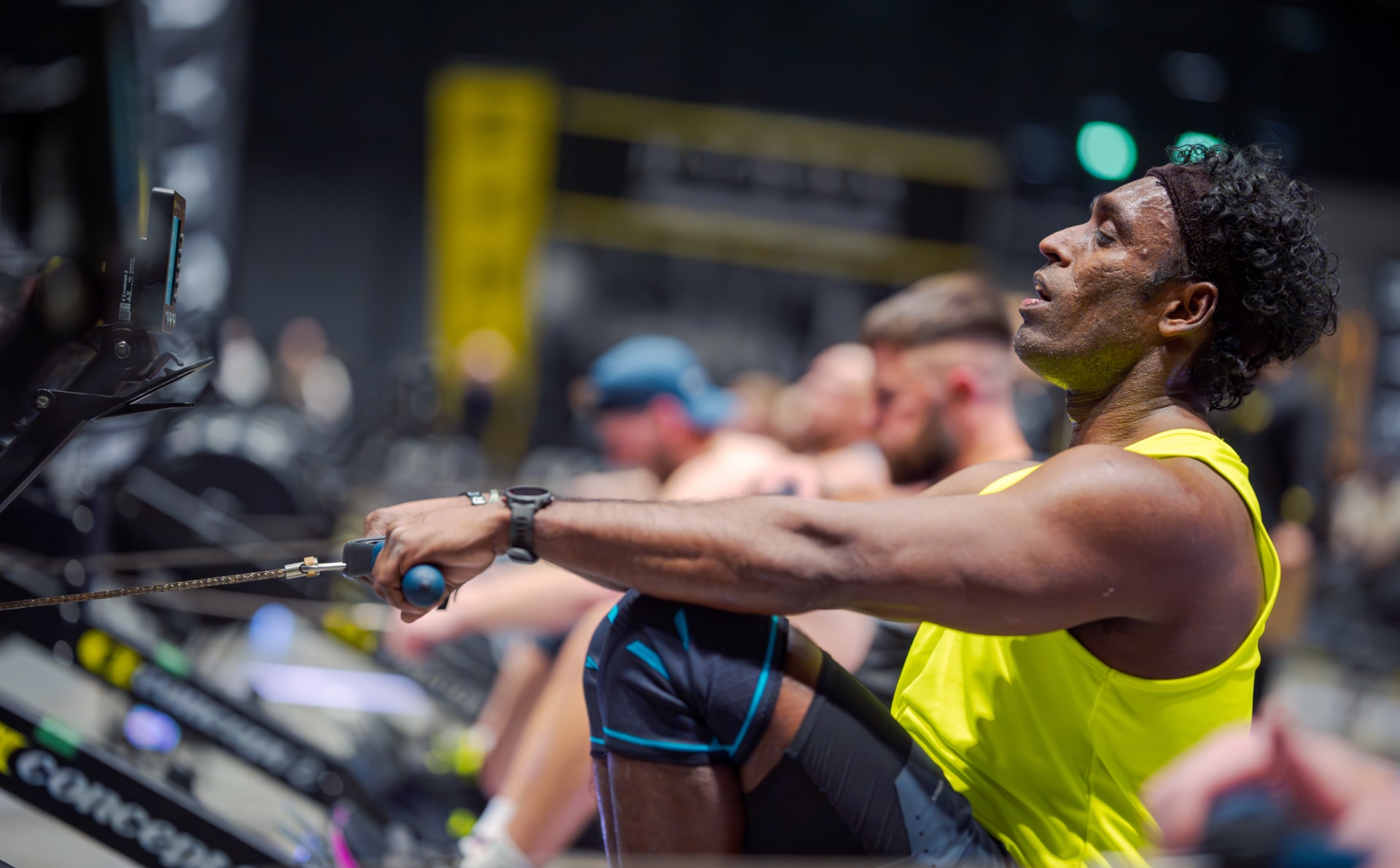
Core Temperature Matters - Overheating Can Decrease Performance
Core temperature is the body's internal temperature and if you can not manage and/or train properly your performance probably decreased during the race. It's typically around 98.6°F (37°C). Maintaining optimal core temperature is an very much important for athletic performance, as both hyperthermia (overheating) and hypothermia (excessive cooling) can effect on physical and mental abilities, Even it can be life- threatening.
- Thermoregulation: The body's ability to maintain core temperature is vital for metabolic processes, enzymatic activity, and cellular function.
- Performance Impacts:
- Elevated core temperatures can lead to dehydration, muscle fatigue, and decreased endurance.
- Lower core temperatures can reduce muscle efficiency, coordination, and reaction times.
- Injury Prevention: Proper regulation reduces risks of heat-related problem such as heatstroke or cold-related injuries hypothermia.
What are the Athlete's Challenges?
Heat Stress (Hyperthermia)
- Common in endurance sports, team sports in hot climates, or intense training indoors.
- Symptoms are dehydration, excessive sweating, dizziness, and reduced mental clarity.
Cold Stress (Hypothermia)
- Mostly experienced during winter sports, open-water swimming, or prolonged exposure to cold environments.
- Symptoms are shivering, reduced dexterity, slowed reaction times, and fatigue.
How to Prevent?
Overheating (Hyperthermia)
- Stay Hydrated:
- Before exercise: Drink 16–20 oz of cold water 2–3 hours before activity.
- During exercise: Consume 4–8 oz of cold water or electrolyte drinks every 15–20 minutes.
- After exercise: Don't forget to re-hydrate with fluids containing electrolytes.
- Pre-Cooling Techniques:
- Ice vests, cold towels, or cool showers before exercise can lower starting core temperature.
- Drinking ice contain beverages 30 minutes before activity has shown to improve endurance.
- Optimize Clothing:
- Wear breathable, moisture-wicking fabrics. ( Synthetic fabrics ‘hydrophobic' which means they resist the penetration of water like polyester).
- Light-colored clothing reflects sunlight and reduces heat absorption.
- Acclimatization:
- Gradually increase training in hot conditions over 7–14 days to allow the body to adapt.
- Monitor Signs of Heat Stress:
- Track heart rate and perceived exertion. Elevated heart rate can indicate overheating.
- Use tools like wearable thermometers or heat sensors if available.(Core Body Temperature Monitor).
Overcooling (Hypothermia)
- Add Layers:
- Wear thermal, moisture-wicking base layers and add insulating outer layers depending on conditions.
- Protect extremities with gloves, hats, and thermal socks.
- Warm-Up Properly:
- Increase body temperature before training in cold environments with dynamic stretches and cardio.
- Use Warm Drinks:
- Consume warm beverages ( herbal tea, broth) during breaks to maintain internal temperature.
- Stay Dry:
- Wet clothing accelerates heat loss. Wear water-resistant gear when training in rain or snow.
How to Train to Adapt Easier?
- Heat Acclimation:
- Train in warmer conditions 1–2 weeks before competition to improve sweat response and cardiovascular efficiency.
- Controlled Environment Training:
- Use a heat chamber or train during hotter times of the day for gradual adaptation.
- Hydration and Monitoring:
- Practice drinking fluids during training to simulate competition conditions.
Cold Tolerance Training
- Cold Exposure Training:
- Gradually expose the body to cold environments to build resilience.
- Examples: Cold showers, ice baths, or outdoor training.
- Layers Clothing:
- Practice layering clothes for cold-weather sports to learn optimal combinations.
- Mental Training:
- Cold environments can cause psychological stress. Visualization techniques can reduce anxiety.
Tools and Tips
Monitoring Core Temperature
- Use wearable thermometers, sweat patches or Core Temperature Monitor for accurate readings during training.
- Measure hydration with urine color (clear to pale yellow is ideal).
Cooling Strategies
- Ice Baths: Post-exercise immersion can reduces inflammation and lowers core temperature.
- Fans and misting stations: It can provide quick relief during high-intensity training or events.
- Cooling tools: : Such as, ice-filled cooling vests or sleeves for rapid cooling during breaks.
Heating Strategies
- Use hand warmers, thermal blankets, or heated gear during winter sports.
- Warm up consistently between intervals to maintain optimal muscle function.
- Everyone's heat and cold tolerance differently so make sure personalize your training and gear to match your personal needs. And practice… practice…..
- Also, remember to consume energy-dense snacks during long sessions to sustain metabolism, which generates heat too.
- Educate yourself and understand signs of heat stress (such as, dizziness and dry skin) and hypothermia (difficulty to speak and excessive shivering).
- Core temperature regulation is essential for athletic performance, injury prevention, and long-term health. -Which is must for survival create balance - Homeostasis. Strategies like pre-cooling, acclimation, hydration, and appropriate clothing can help you manage core temperature effectively.Training in controlled conditions and using modern monitoring tools can optimize an athlete's ability to perform in extreme environments.
- Finally, the importance of this should not be underestimated!